
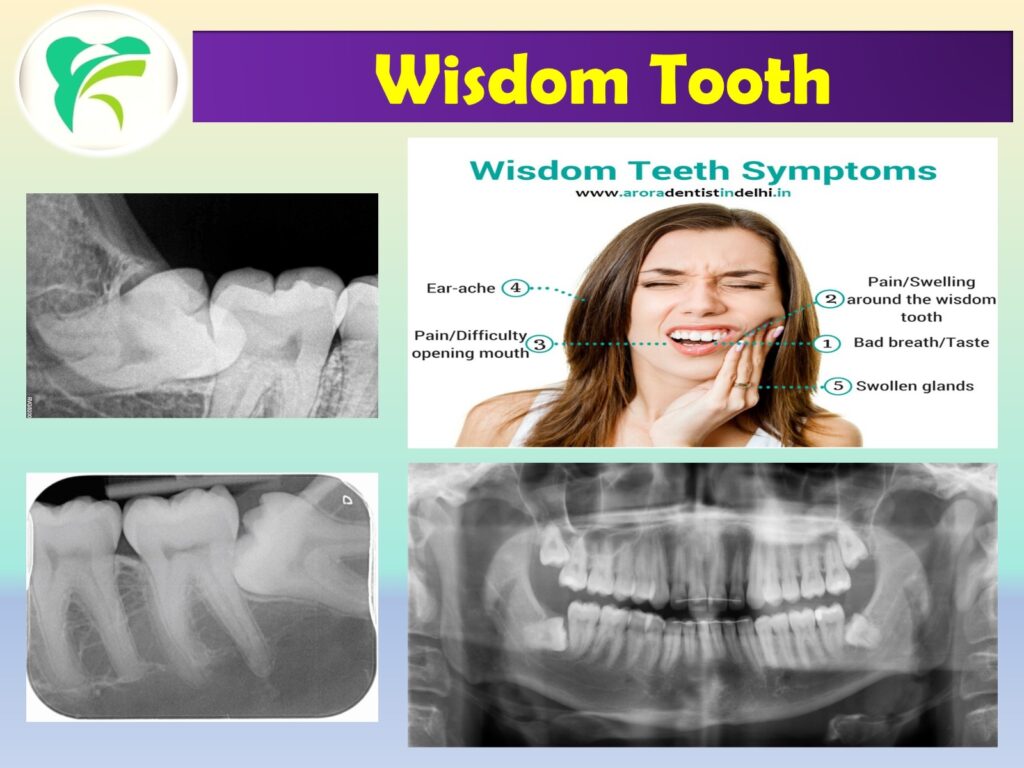
Consultation and Examination
-
The dentist reviews your dental and medical history, including medications and existing oral conditions.
-
A detailed examination of your mouth and gums is performed.
-
Dental X-rays may be taken to check the position of the wisdom teeth and identify impaction or crowding.
-
The dentist explains whether removal is necessary and answers any patient questions.
Treatment Planning
-
Based on the examination, a customized treatment plan is created.
-
The dentist determines how many wisdom teeth need removal.
-
The plan includes the type of anesthesia, complexity of the extraction, and expected recovery time.
Wisdom Tooth Extraction
-
The procedure is usually performed under local anesthesia for patient comfort.
-
If the tooth is impacted, a small incision may be made in the gum to access it.
-
In some cases, the tooth may be divided into smaller sections for easier removal.
-
After removal, the area is cleaned and stitches may be placed to help the gums heal.
Healing Process
-
A blood clot forms in the extraction site, which protects the bone and supports healing.
-
Mild swelling, discomfort, or jaw stiffness may occur for a few days after the procedure.
-
Dentists may recommend pain medication and cold compresses to manage these symptoms.
Recovery and Aftercare
-
Patients should eat soft foods for the first few days.
-
Avoid smoking, drinking with a straw, or disturbing the extraction site.
-
Maintain gentle oral hygiene and follow the dentist’s instructions carefully.
Follow-Up Care
-
Follow-up visits help the dentist monitor healing and ensure there are no complications.
-
Stitches may be removed if necessary.
-
Regular dental checkups help maintain overall oral health after wisdom tooth removal.